‘Wait a minute, wait a minute, you ain’t heard nothing yet!’
Al Jolson’s ad-libbed opening line in The Jazz Singer famously announced the era of the talkie with the novelty of synchronised sound. With noise on the scene, intertitles were no longer necessary as a means of driving narrative. Characters could tell the story with their own voices. Jolson could express the joy of sound with all his dynamic, newly discernible vocal cords.
Yet almost a century on, Tuner proves that sound – understood more broadly in terms of soundtrack and audio effects – can still be at the forefront of narrative exposition. Unseen (but very much heard) piano notes introduce us to the world of Niki White (a stellar Leo Woodall), a former virtuoso whose hyperacusis diagnosis forced him to give up his talent and work as a piano tuner with Harry (Dustin Hoffman), a friend of his deceased father. It becomes clear early on that Harry’s hearing is quickly deteriorating, presenting us with two characters who need to rely on different skills to get by in life. As such, the soundtrack bends in line to attune to their respective conditions, but not in the way you’d necessarily expect. When Niki is performing a standard tuning job at wealthy client’s home, he finds a group of thieves attempting to crack a safe, then finds a new talent in safecracking due to his heightened hearing.
Alongside the expected noises of intricate clicks, we also listen to the voices in the background as well as powerful synth beats which build into a dynamic synth motif that occurs whenever Nicki performs similar jobs for the group in the future. The audience is presented with layers of sound, challenging their listening range and creating the possibility of a narrative ‘openness’. Voices are heard, montages take place, but there’s no loud wisecracking or shouts as such. Each layer of sound is kept at roughly the same audio level, so the audience has to apply an extra level of focus that wouldn’t be required if they were presented with more conventional, face-to-face speech between individuals. When Tuner’s hearing is attacked by loud noises, so is the audiences. The claim that films can just be watched at home on streaming services like Netflix is farcical; nowhere else can you experience the booming audio of volume and frequency than at the cinema. I’d argue that films like Tuner would make for an infinitely lesser viewing – and listening – experience outside of the big screen.
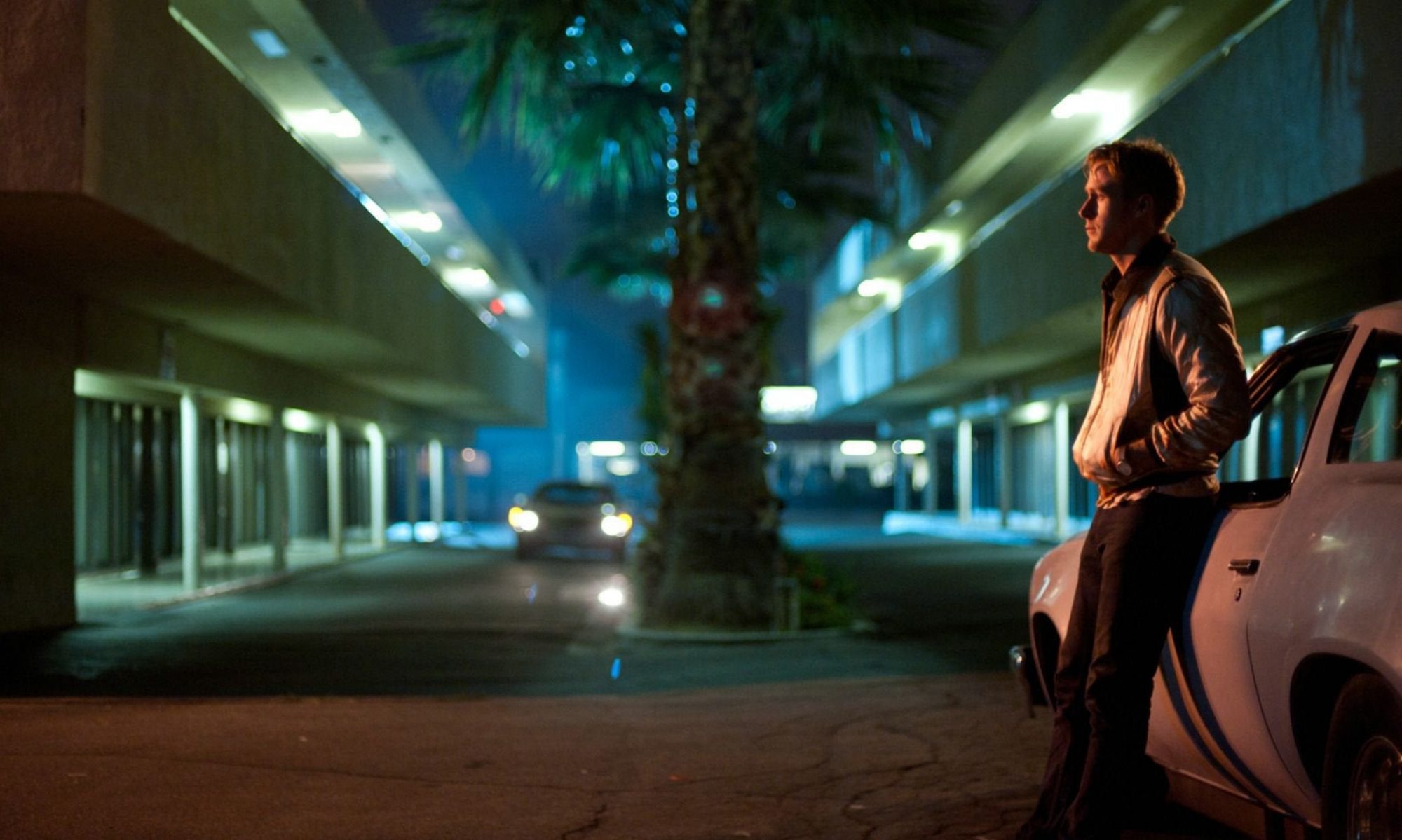
This kind of attention to detail in the sound department reminded me of another film released 15 years ago, the Ryan Gosling-starring cult film Drive, where both Gosling and director Nicolas Winding Refn removed the majority of the original script’s dialogue to focus on the musical, mood-oriented elements of the film. Woodall’s Nicky also bears a few of the stoic, laconic traits of Gosling’s Driver. ‘Tuner’ quickly becomes the mysterious title bestowed upon him by the thieves, with his original name barely mentioned. Sound is a pivotal device to create tone and narrative; synth-pop tunes blast into the soundscape as Driver sweeps through the streets in of LA, in a similar way that beats pound when Tuner intricately breaks through safes. Driver’s chases in the night evoke the same sense of exhilaration and sheer being as Tuner when he cracks safes. This is a skill that divides them from the rest of the pack and provides them with a sense of purpose.
Alongside editor Mat Newman, Refn selected existing tracks like Kavinsky’s ‘Nightcall’ and College’s now particularly iconic ‘A Real Hero’ before filming, setting up key emotional beats that would contrast with Driver’s stoic silence. Sound has a direct role in creating emotional response in the audience when the central character is reluctant to voice these feelings themselves. In terms of original tunes, Refn tasked Cliff Martinez with using synthesisers to form these emotional textures, with Martinez using wind chimes to create ethereal soundscapes that created particularly affecting compositions such as ‘Wrong Floor’, which plays during the dreamlike elevator sequence. Not only is this scene so effective because of Martinez’s sound, but also because of the complete lack of soundtrack that follows in the gruesome fight and aftermath. Silence plays an equally important role in crafting audience emotional response.
Another integral film I remembered after watching Tuner was The Sound of Metal, which follows the deteriorating hearing of a successful drummer. Instead of simply choosing random tracks or soundscapes, director Darius Marder and composer Nicolas Becker attempted to recreate the experience of going deaf for the audience not just by lowering volume, but also by adjusting frequencies and using like heartbeats, blood flow and breathing to evoke the dread of losing hearing. The character’s human struggle is heard and reflected through the human body. This particularly visceral sound technique was used in a similar fashion by Refn in the aforementioned elevator scene, where he used squashed watermelons and growling sounds from Gosling to evoke the unnerving noises heard (and mostly not seen, aside from a brief, gruesome cut) as Driver stamps on the assailants’ head (the track used in the scene is simply and appropriately named ‘Skull Crushing’). When directors pay so much attention to the audio landscape, it implies a distinct trust in the viewing audience. ‘We know you can follow narrative through the basic means of verbal dialogue, but we’re betting that you can discover something more interesting for yourself by listening to sound’.
Judging by the immensely positive feedback that these films have received, the audience has clearly heard more than nothing yet.