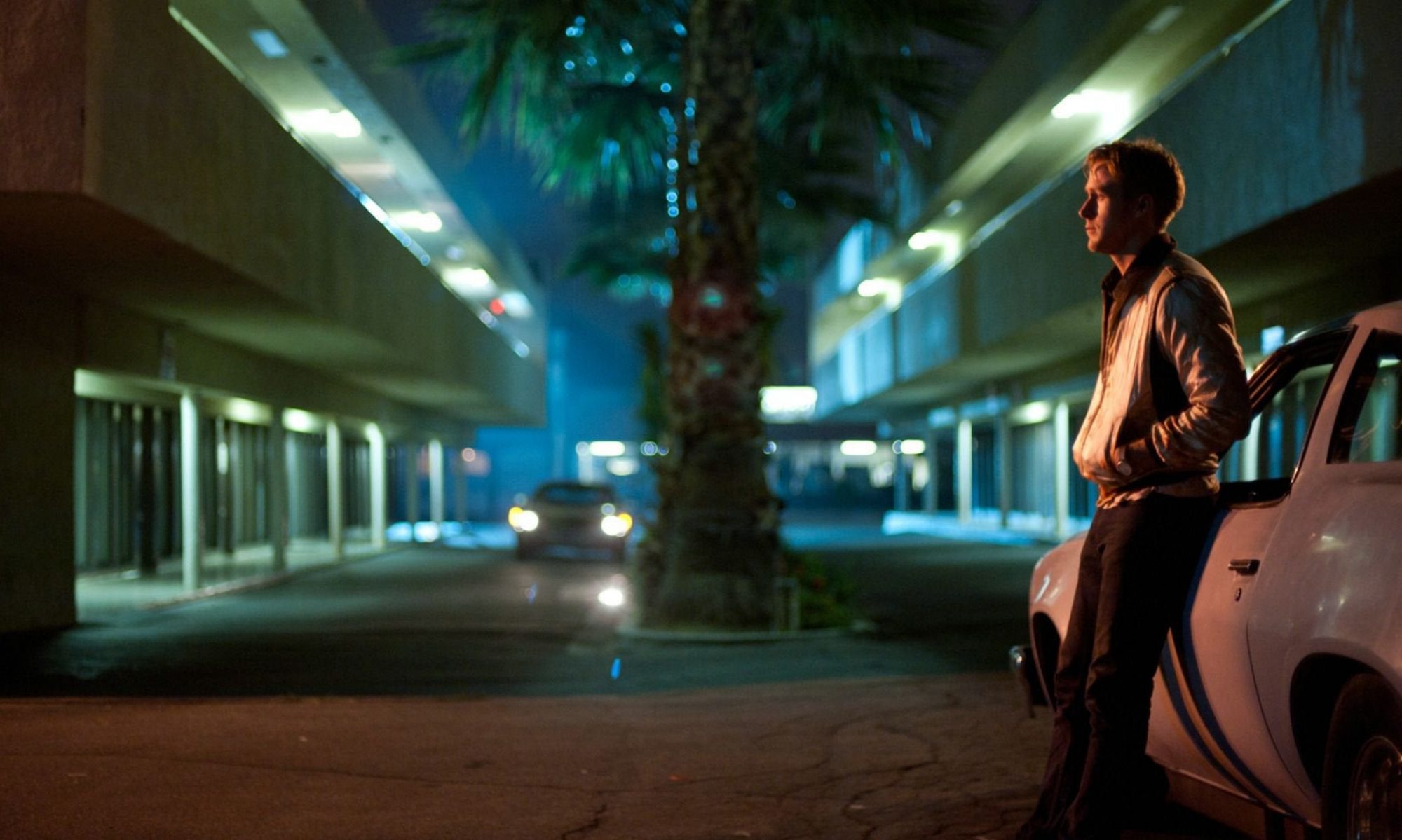
Everyone loves a silent hero. They’re tough, they’re moody, they’re angsty, and they’ve usually got an emotional heart beating beneath their gruff façade. One of those silent figures can be found in the taciturn figure of Joel Miller, the central protagonist of the Last of Us, the 2013 video game masterpiece created by Neil Druckmann, who co-created the television series alongside Craig Mazin. If that’s silent hero persona’s not clear from his body language, whiskey drinking and taciturn speech in the first episode, then Tess’ Clint Eastwood jibe makes that fact pretty darn clear. The cinematic nature of the game lends itself well to a production by HBO, as lavish visuals bring the apocalyptic world to vivid life.
Having not actually played the game, I guess I’m at a disadvantage, but it’s great to watch the opening scenes unfold with a slow burner that eventually turns into chaos (and from what I’ve read, the story largely stays true to the original while adding some worldbuilding of its own). It’s hard to imagine how A Quiet Place didn’t take at least a bit of inspiration from the early moments. The epic, 80-minute introductory episode fully immerses us in the grisly dystopian world as we watch Joel quickly evolve from a loving father into a hardened, world-weary survivor. Pedro Pascal is perfectly cast as Joel, despite the criticism both he and Bella Ramsey (also brilliant) received shortly after their casting. This is Oberyn Martell and Lyanna Mormont we’re talking about here. How were they not going to be awesome? Pascal’s silent hero clearly benefits from his previous work as a laconic Mandalorian, but it’s great to see him stretch his acting chops here without a helmet and alongside a human being rather than a CGI mute creature (no offence, baby Yoda).
The pace is slow as we witness Joe and Ellie’s journey to the fireflies, but that’s not a problem, as it allows time to build their relationship as well as make room for individual character studies so we can see the world around the two in more human detail. And episode 3 provides a particularly wonderful, moving example of that. In that episode, they had me at hello, so to speak, but including Max Richter’s ‘On the Nature of Daylight’ in those final moments? Goshdarn, those onions are really working their magic. And the soundtrack in general is brilliant. But that’s just what you come to expect from Gustavo Santaolalla, who brought waves of emotion with his subtle strings in Brokeback Mountain.
Saying too much more would be spoiling to the genius of this show, which does a hell of a lot to break the video game live-action curse; I’m only talking about the live-action curse here though (*cough*Halo*cough*); if you’ve seen animated shows like Arcane, you know that curse doesn’t exist, and if you want more on that, check out Chris Stuckmann’s great video on the subject. But it’s worth mentioning that brilliant final shootout and its genius use of sound design. In an era full to the brim with superhero movies that focus on loud explosions and irritating sound effects, it’s wonderful to appreciate just how parred down these last moments are. It reminded me of a certain black and white scene in Lynne ramsay’s underrated gem You Were Never Really Here, and if you’ve never seen that, I highly recommend checking it out. Brutal, moving and visually stunning, you don’t want to miss out on this apocalyptic classic. I could’ve made a low-quality pun there using the show’s title (echoing the cheesy puns that Ellie reads from that book), but I didn’t, and I hope you appreciate that.